How we spent two weeks in Italy
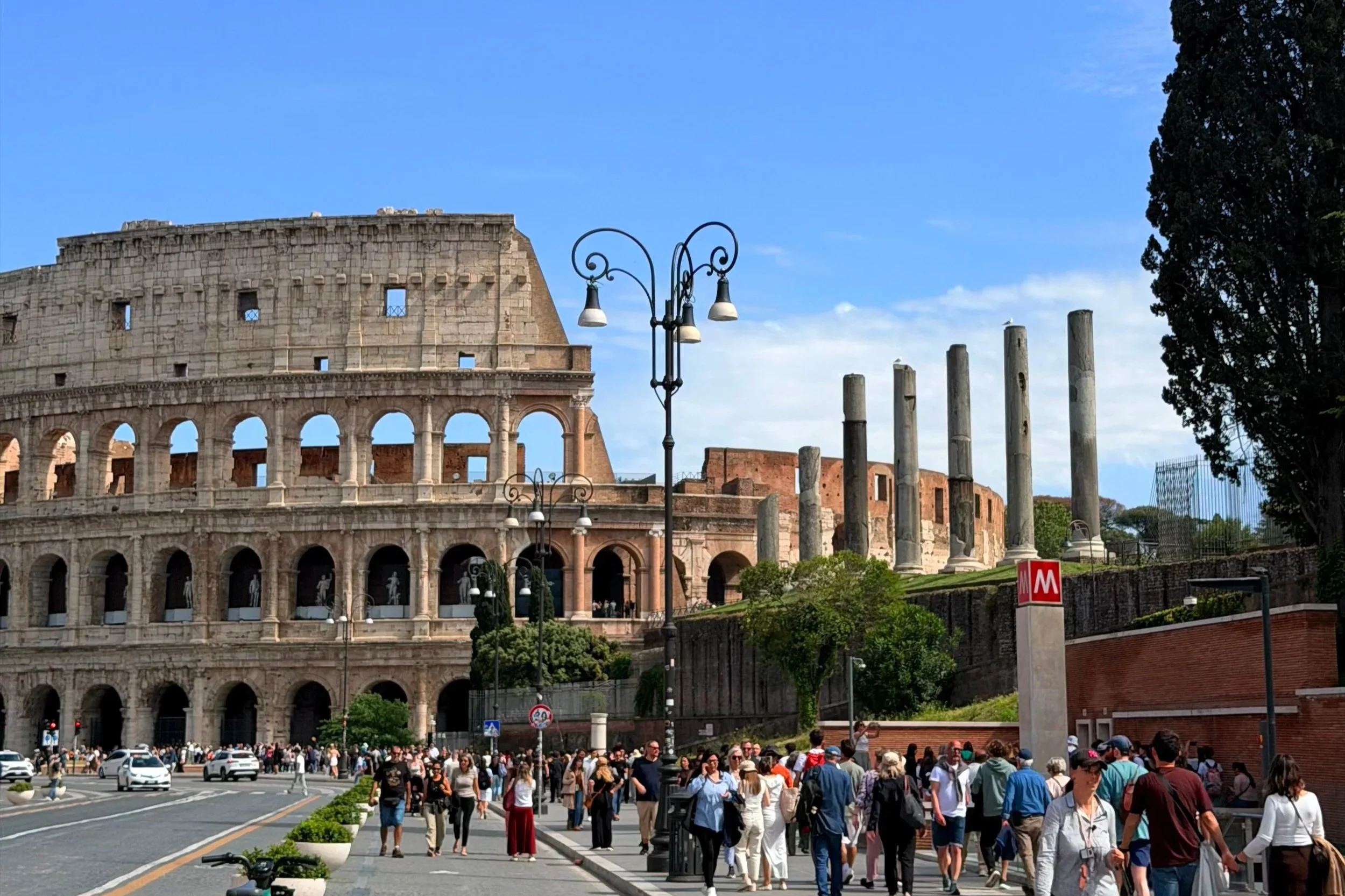
We spent two weeks in Italy in May, travelling through the country by train and visiting some of the most popular sites. It was a great time to visit as we mainly got great weather and though there were some busy areas, it was generally not as full of tourists as it gets in June, July, and August.
Italy is one of my favourite countries to visit thanks to its combination of stunning landscapes, amazing architecture, and (in my opinion) some of the world’s best food. Here’s what you need to know about planning a two week trip to Italy.
How to get to Italy
Italy is one of the easiest countries in Europe to reach from the UK. There are direct flights from airports across the country to destinations including Rome, Milan, Venice, Naples, Pisa, and Bologna. We flew from London to Rome and then used Italy's quick and affordable train network to travel between cities for the rest of the trip.
If you're planning a multi-stop itinerary, it's often worth flying into one city and out of another rather than returning to your starting point to save time and money, especially if you're travelling from south to north like we did.
What is the best route to take through Italy?
Italy is a long country with huge regional differences, so the best route depends on how much time you have and the areas you most want to visit.
We visited Rome -> Naples and Capri -> Milan -> Lake Garda -> Verona -> Venice. Logically, starting in Naples and travelling north would have made the most sense, but flight times and prices worked out better for us flying into Rome first.
If you're visiting for two weeks, I think combining a few major cities with one or two slower-paced destinations works really well. Rome and Naples give you history, culture, and food, while places like Lake Garda or Venice offer a completely different side of Italy.
What is the best way to travel through Italy?
Italy's train network is one of the best in Europe and was our main form of transport throughout the trip. We had planned to use Interrail but found that booking individual tickets for the trains we needed actually worked out cheaper and was more convenient as we didn't have to plan our travel days too far in advance as we were also travelling into Slovenia, Hungary, Austria, Slovakia, and Croatia.
High-speed trains in Italy connect major cities including Rome, Naples, Milan, Verona, and Venice, making it easy to cover large distances quickly. We found the trains to be comfortable, reliable, and often faster than driving or even flying between cities considering transport and wait times at airports.
For destinations around Lake Garda or smaller towns, you may need local trains, buses, or ferries, but for most visitors the train network is all you need.
What is there to do in Italy?
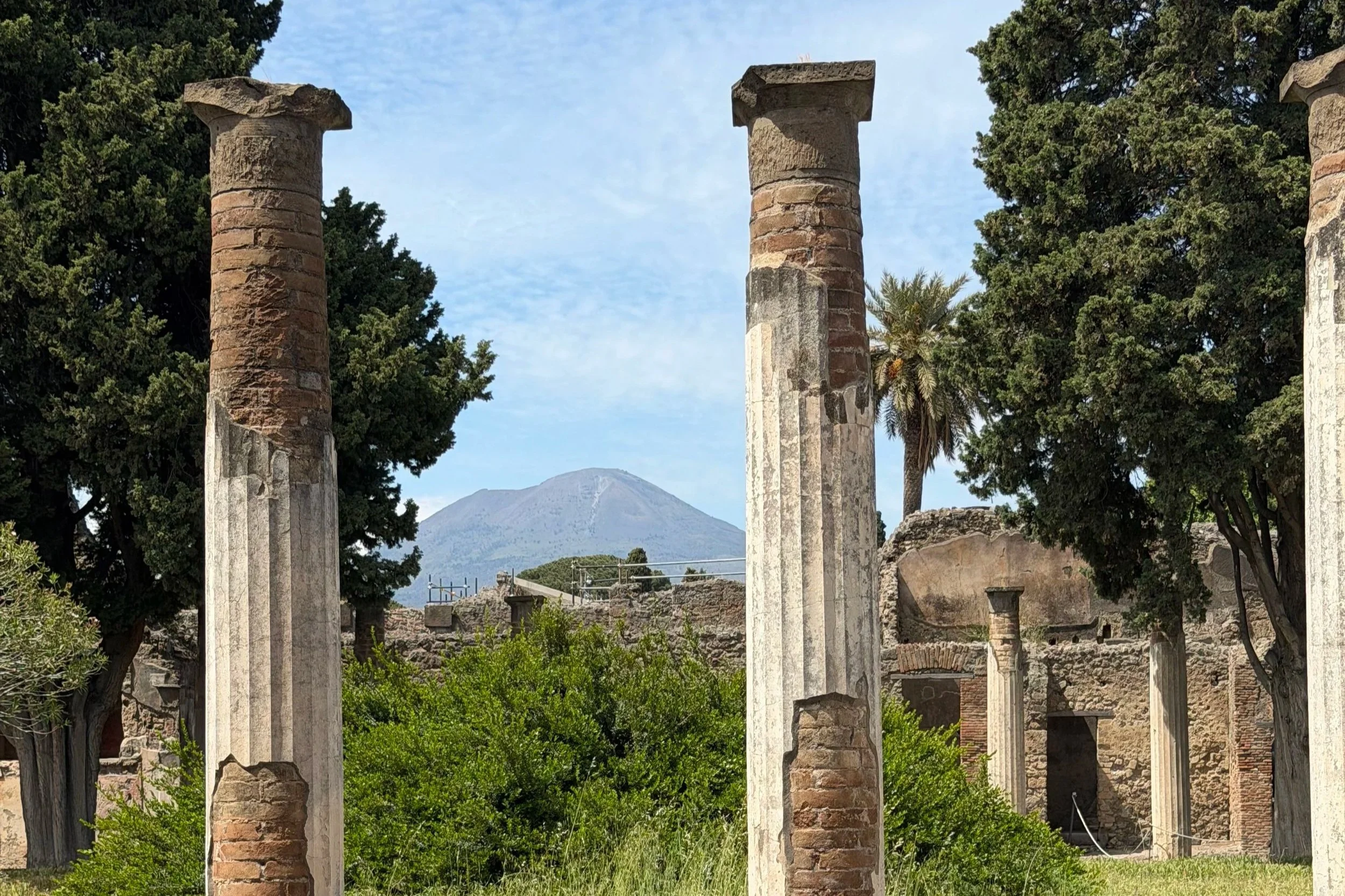
One of the reasons Italy is such a popular destination is the sheer variety of experiences on offer as well as the stunning landscapes and world-class food.
You can spend your mornings exploring ancient Roman ruins, your afternoons eating incredible food, and your evenings wandering beautiful piazzas. Beyond the cities, there are lakes, mountains, beaches, vineyards, and some of Europe's most scenic countryside.
These were some of our highlights:
Exploring Rome’s historic centre
Eating pizza in Naples
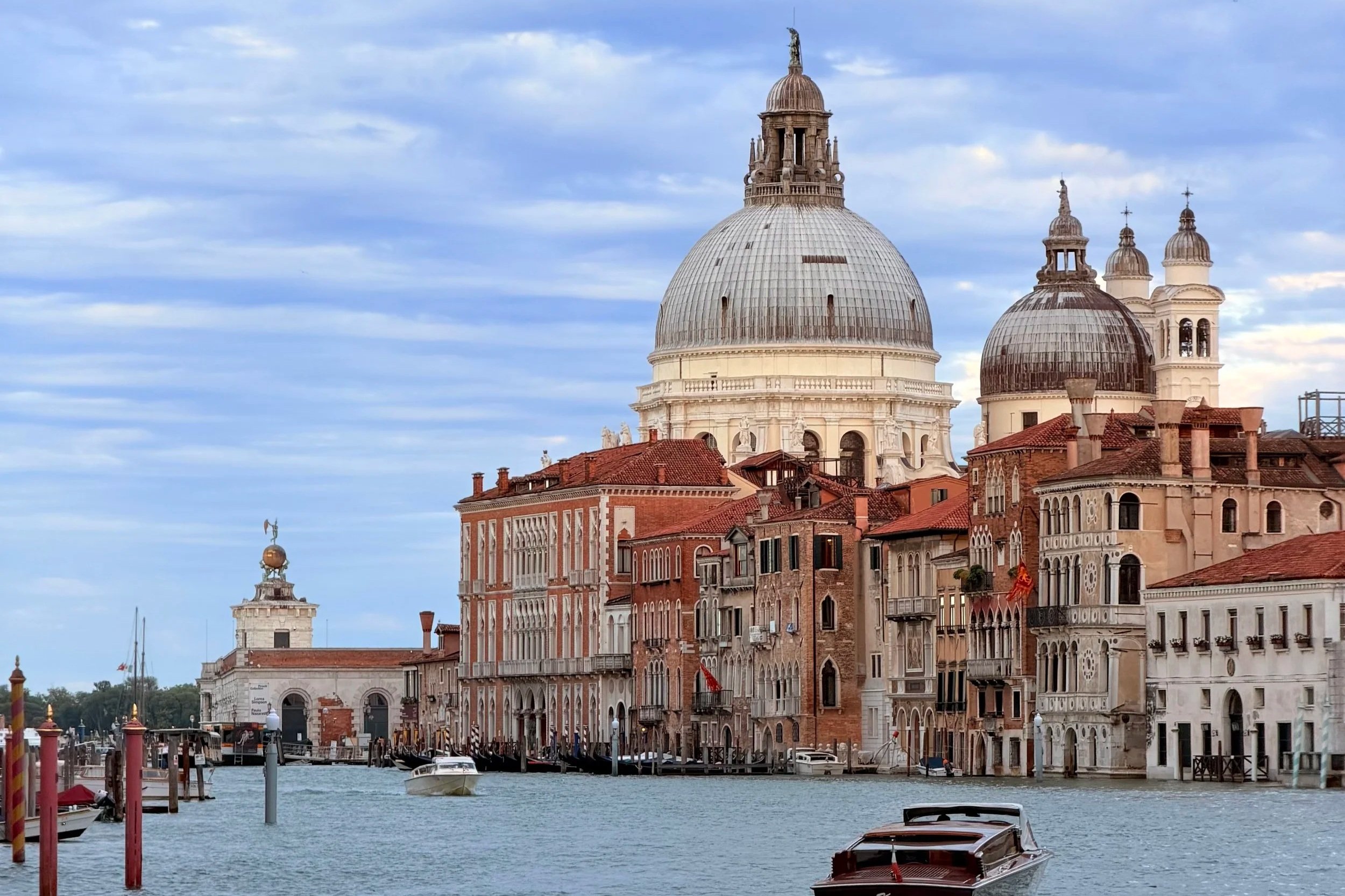
Visiting the canals of Venice (and eating cicchetti)
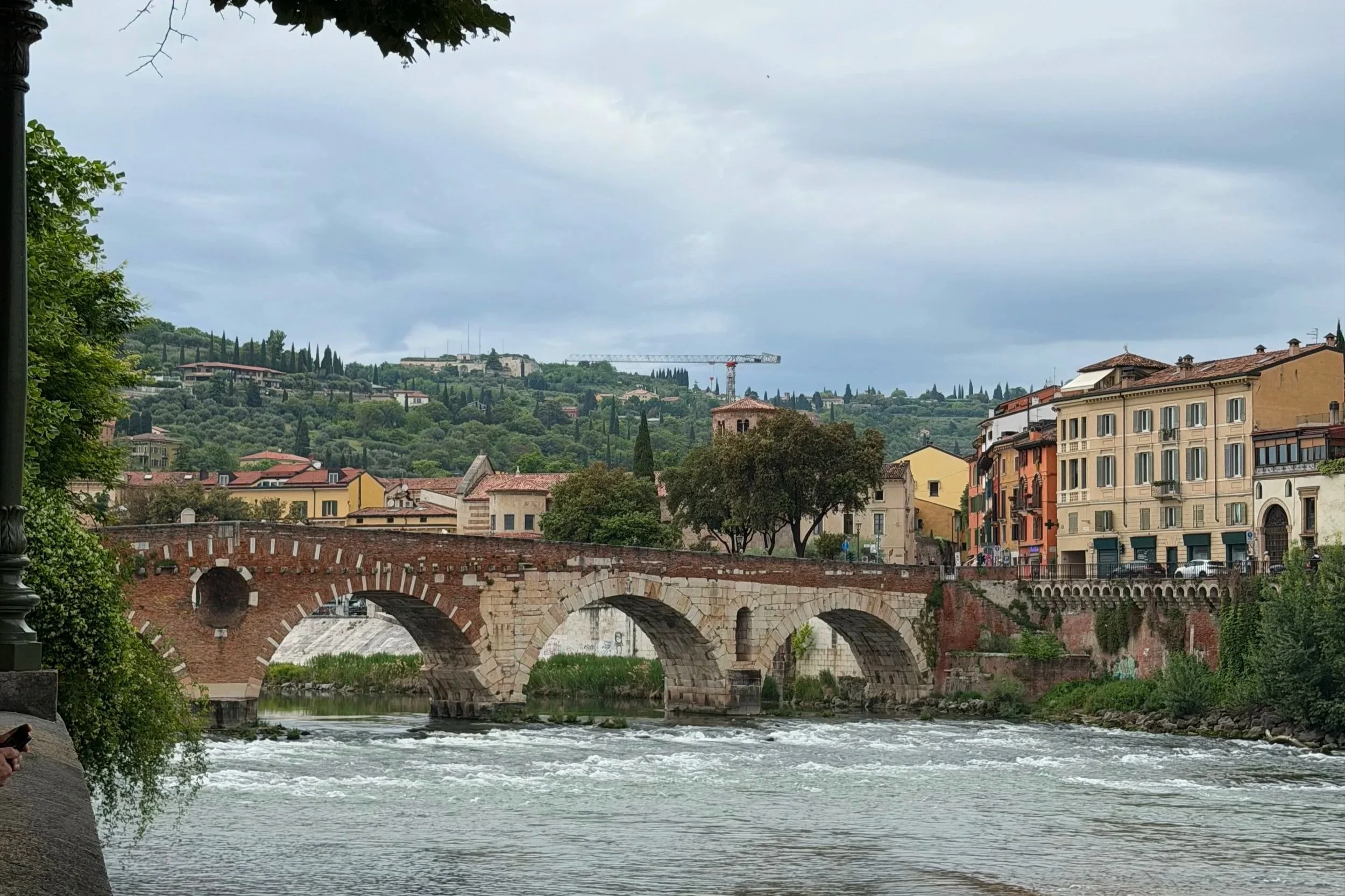
Wandering the streets of Verona
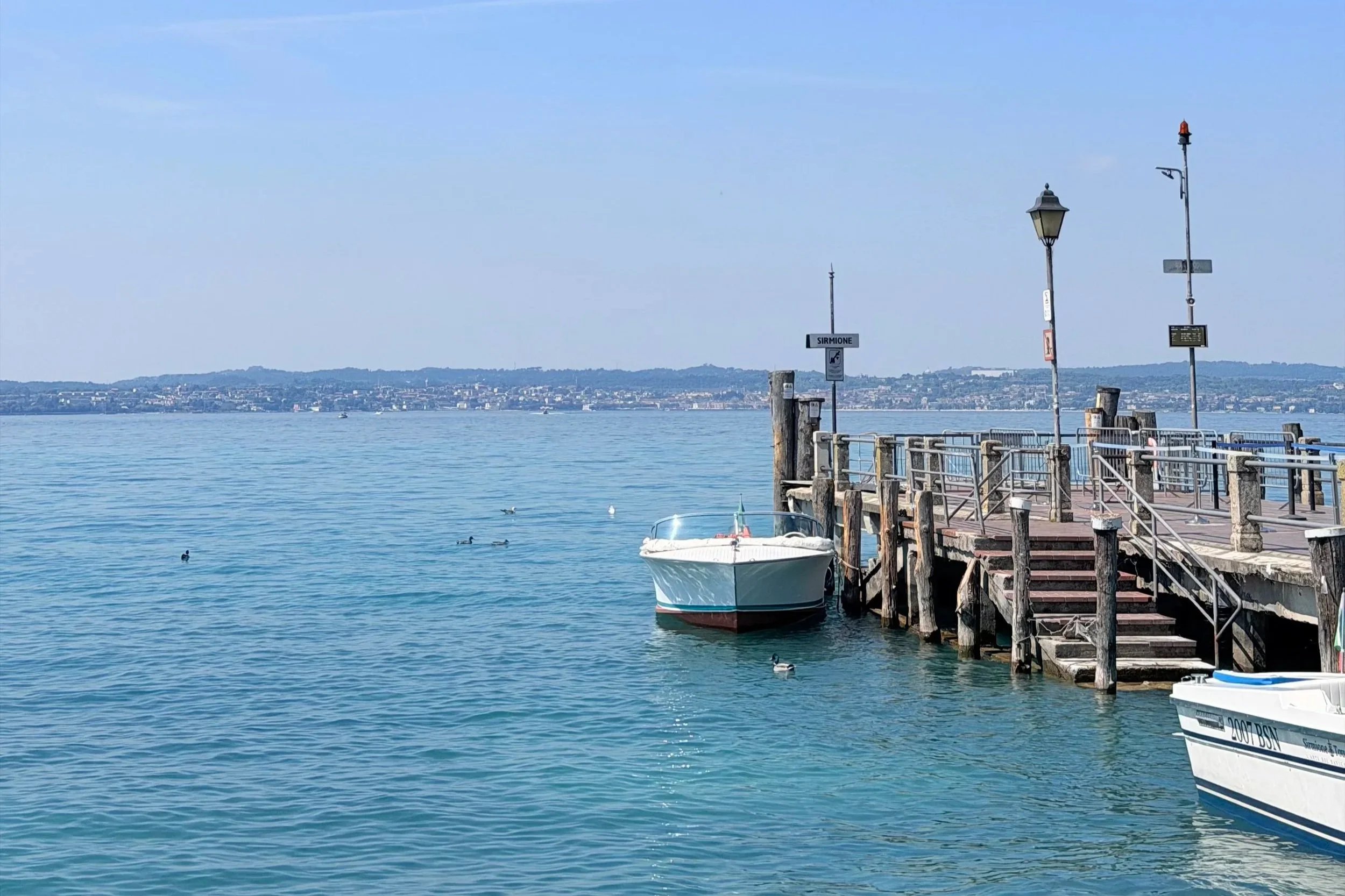
Relaxing around on the shore of Lake Garda
Exploring Milan’s food and shopping scene
What are the main sights to see in Italy?
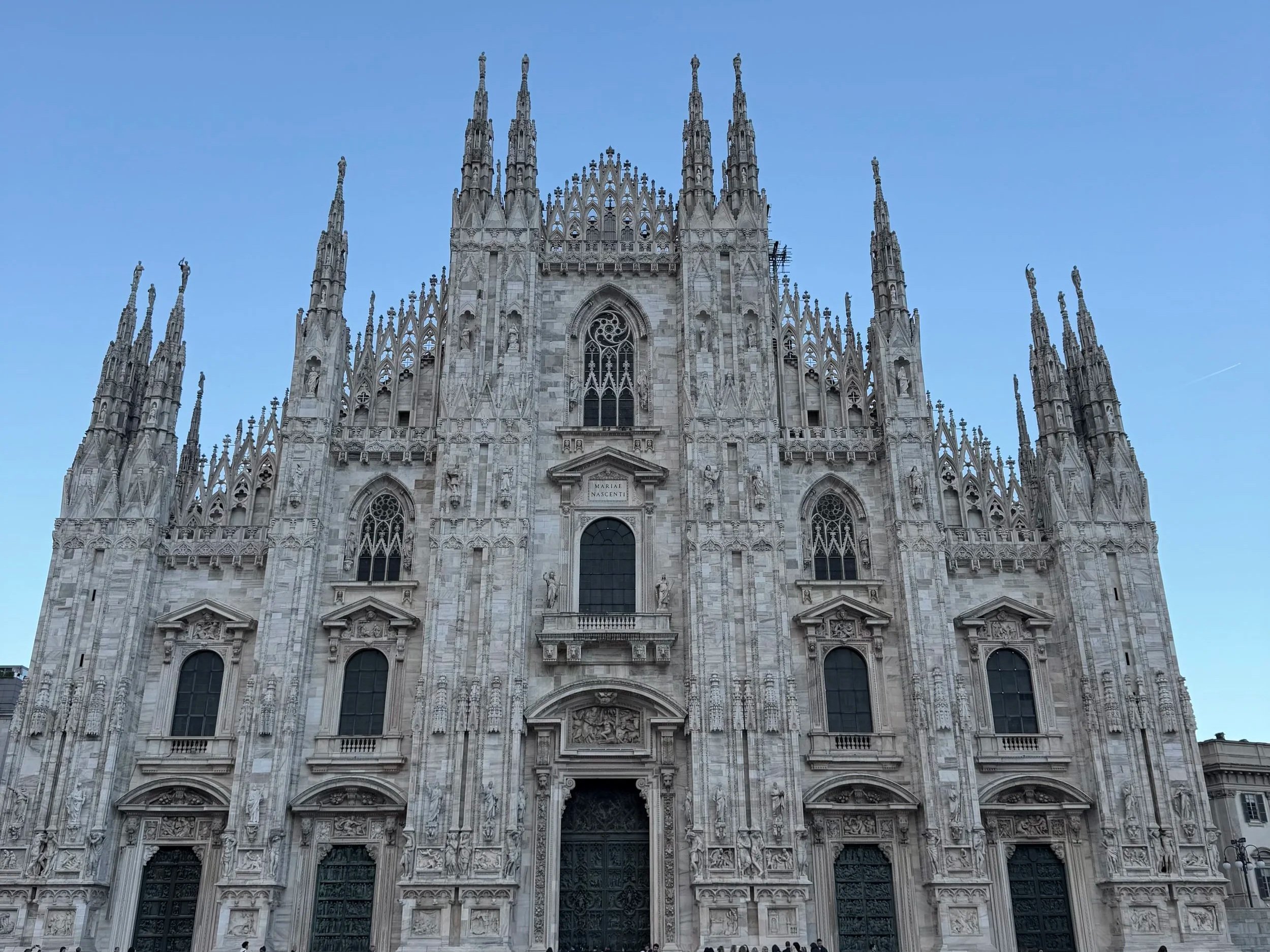
Italy is packed with famous landmarks, and even a two-week trip only scratches the surface. Some of the most popular attractions include:
The Colosseum and Roman Forum in Rome
Vatican City and St Peter's Basilica
The Trevi Fountain
Pompeii and Mount Vesuvius near Naples
A boat trip to Capri from Naples or Sorrento
Milan Cathedral (Duomo di Milano)
Lake Garda
Juliet's House in Verona
St Mark's Square and the Grand Canal in Venice
Depending on how much time you have, you could also add destinations like Florence, Tuscany, Cinque Terre, the Amalfi Coast, Sicily, or the Dolomites.
Is Italy safe?
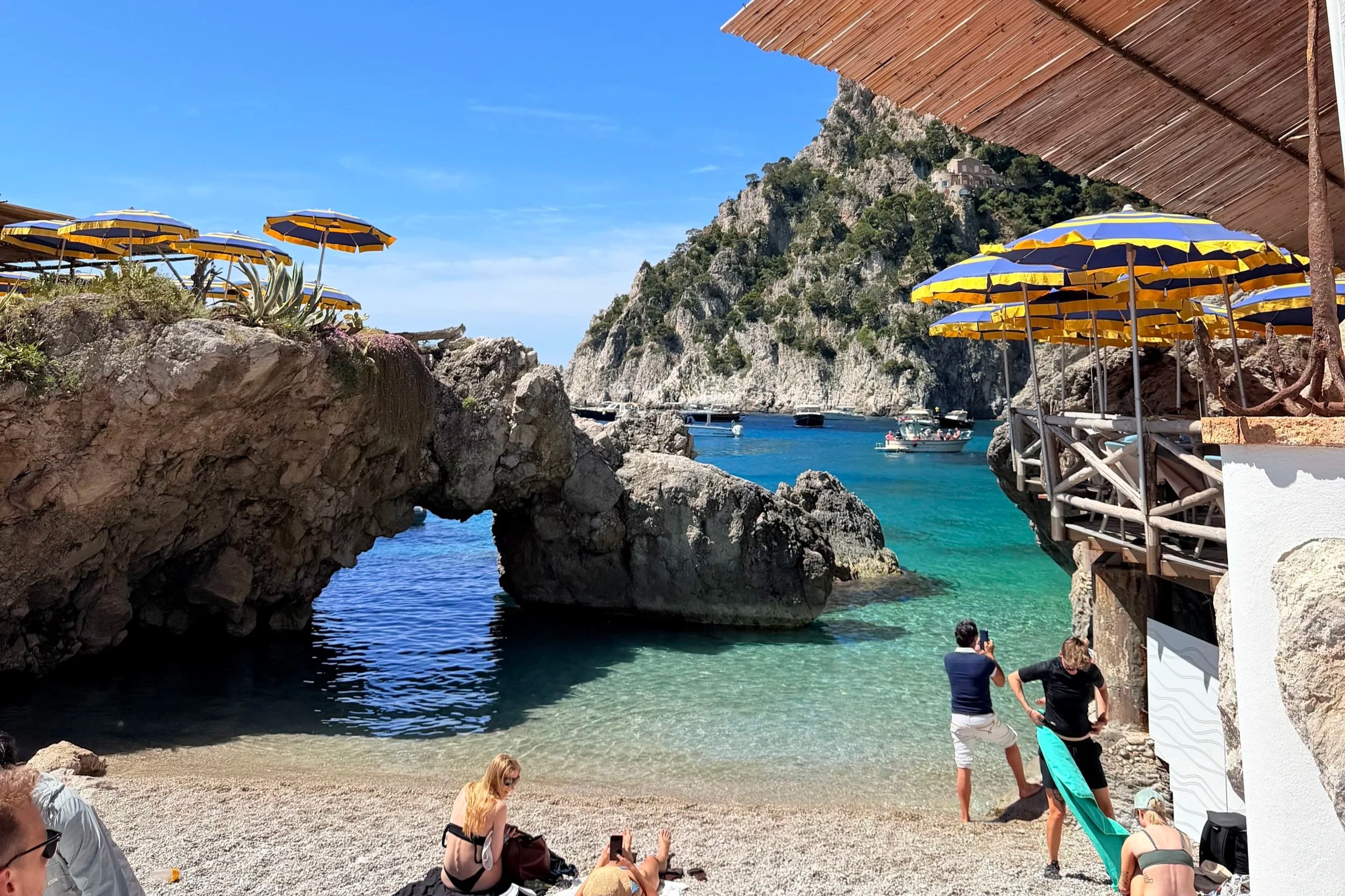
Overall, we found Italy to be a very safe country to travel around.
Like most major tourist destinations, it's important to be aware of pickpockets in busy areas, particularly around train stations, public transport, and famous attractions. Tourists are advised to be especially cautious in Rome and Naples because of their size and the number of tourists, but we never experienced any problems.
The rest of our trip felt very relaxed and we always felt comfortable walking around cities during both the day and evening.
Is Italy expensive?
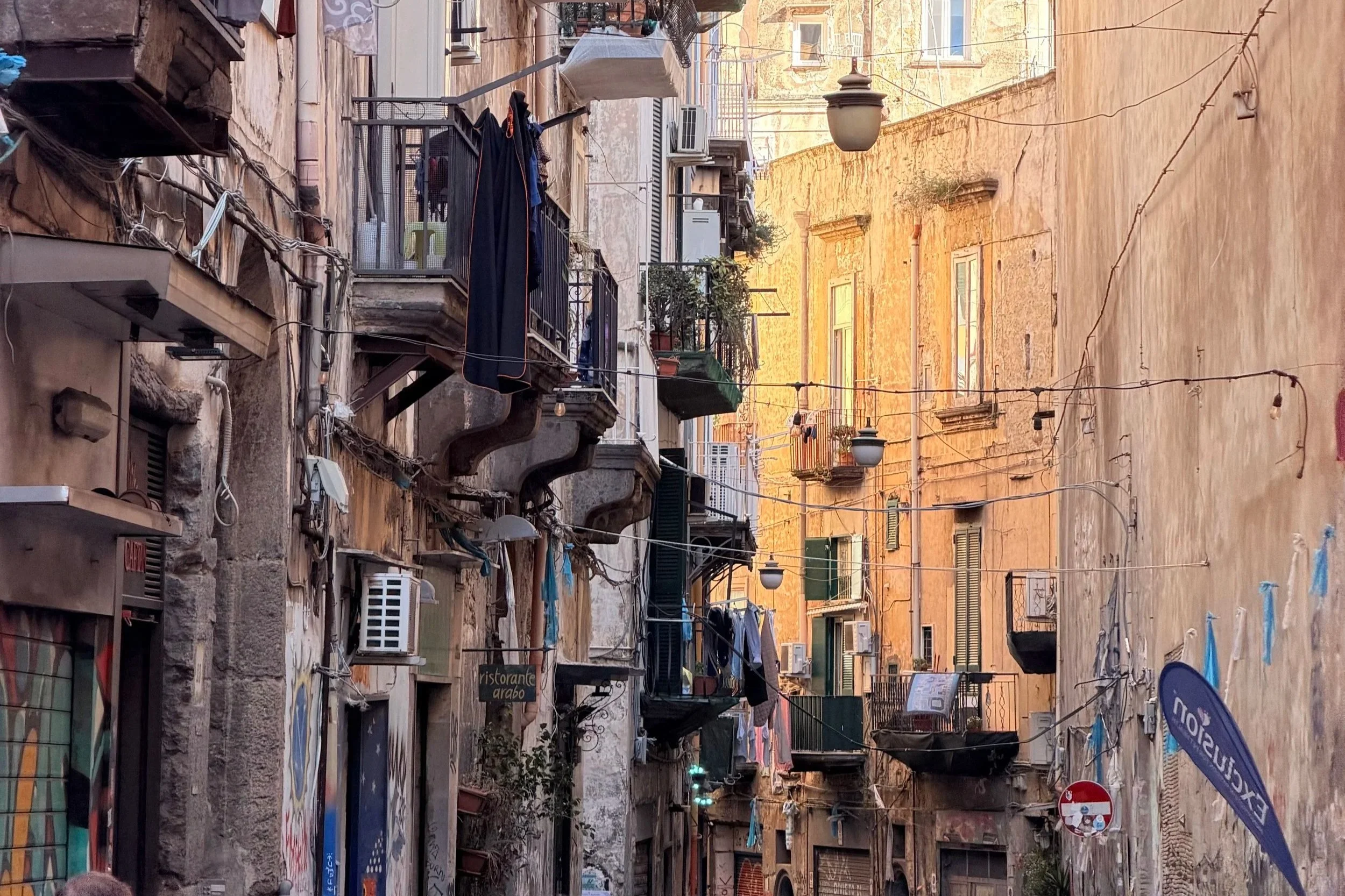
Italy can be as affordable or as expensive as you want it to be. But it's not known as an especially cheap tourist destination.
Major tourist hotspots such as Venice and central Rome tend to be more expensive, particularly when it comes to accommodation. However, food and drink can still be surprisingly reasonable if you eat where locals eat rather than directly beside major attractions – especially in Naples where you can get street food for as little as €1.
Train, bus, and ferry travel is also generally affordable, especially if you book high-speed services in advance. Compared to destinations like Switzerland or Scandinavia, we found Italy offered good value overall.
When is the best time to visit Italy?
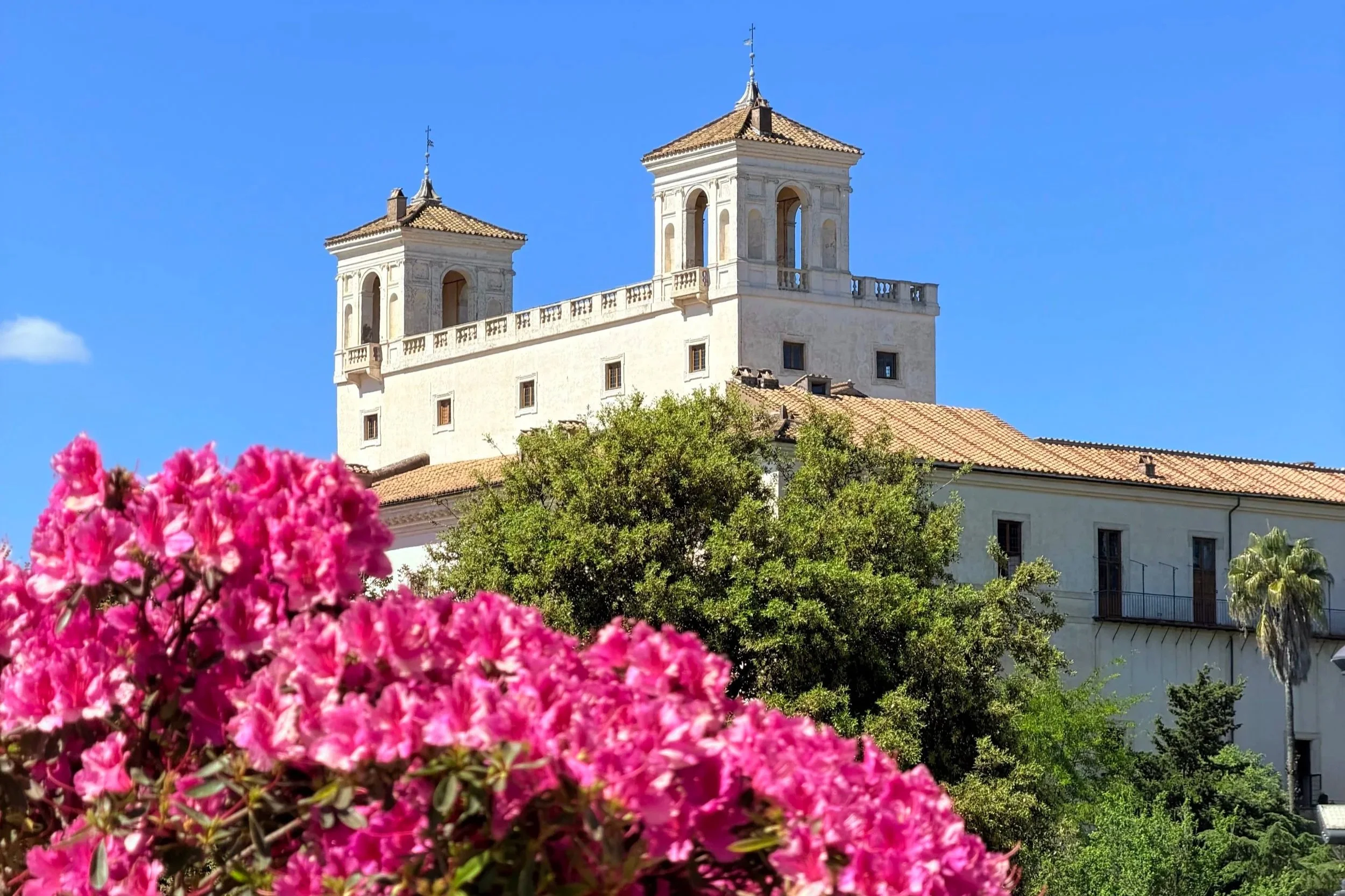
The best time to visit Italy depends on what kind of trip you're looking for.
Spring (April to June) and autumn (September to October) are generally considered the best months as the temperatures are warm, the cities are comfortable to explore, and the tourist crowds are smaller than during peak summer.
July and August are the busiest and hottest months, particularly in cities like Rome and Florence where temperatures can regularly exceed 30°C.
Winter can also be a great time for city breaks, especially if you're looking for lower prices and fewer tourists, although some coastal destinations will feel much quieter.
Why is Italy so popular?
Few countries offer the combination of history, food, scenery, and culture that Italy does. Whether you're interested in ancient ruins, Renaissance art, mountain landscapes, beaches, wine regions, or eating some of the best food in the world, Italy has something for everyone. It's also relatively easy to travel around, making it ideal for first-time visitors to Europe as well as more experienced travellers.
It's one of those destinations that somehow definitely lives up to the hype.
What to pack for two weeks in Italy?
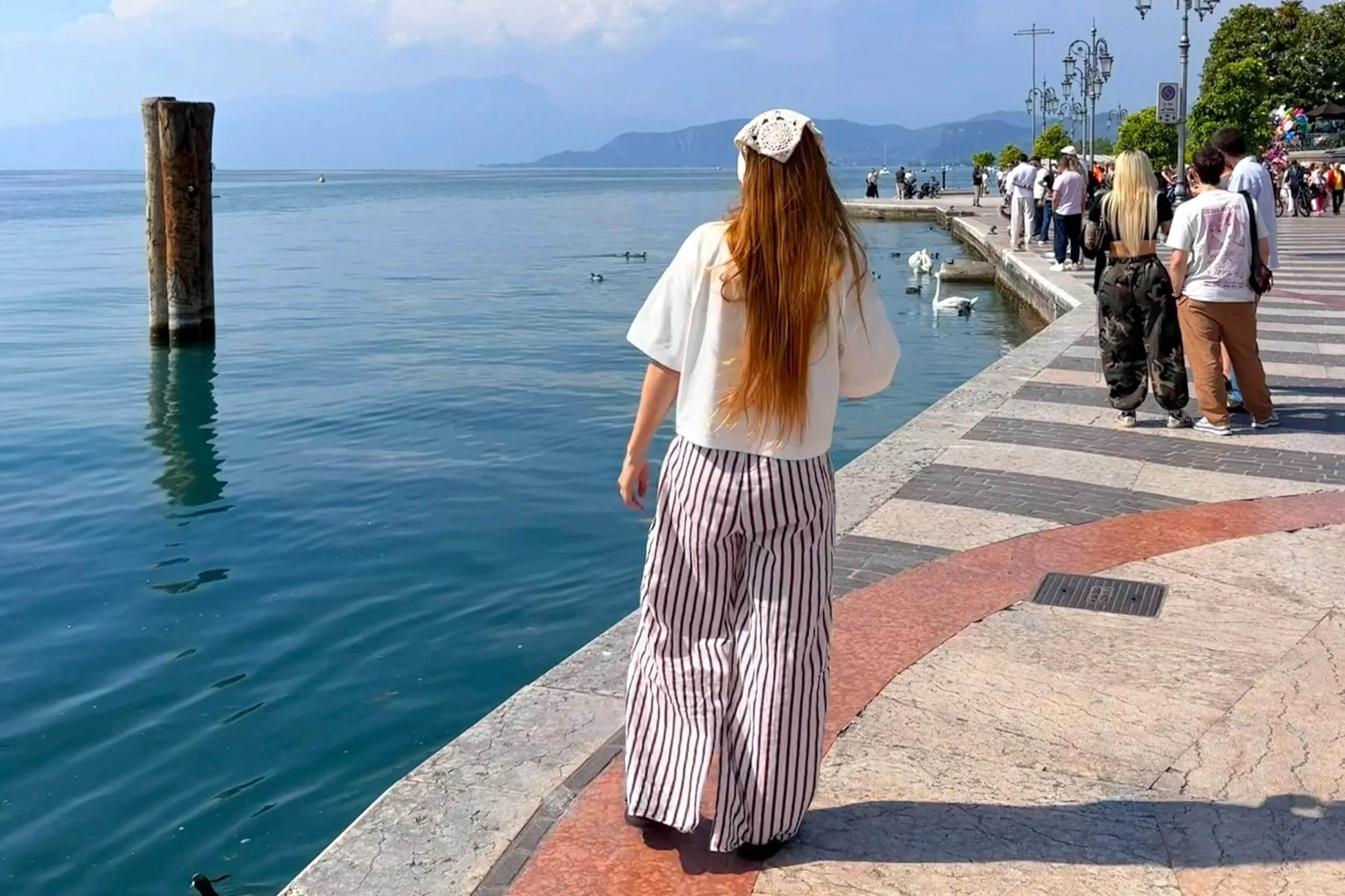
What you pack for Italy will depend on the time of year and the areas you’re visiting. A trip to Capri and the Amalfi Coast will call for different packing to a weekend in Rome or Milan. And if you’re travelling around like we did, you’ll need a mix of clothing to suit different settings.
This is what I packed for two weeks travelling around Italy.
Four tops
Two shirts
A jumper
A summer dress
A pair of shorts
Two pairs of trousers
A pair of trainers
A pair of sandals
A cap
Sunglasses
A bikini
A towel
Two bags
A book
An umbrella
An EU plug adapter
A water bottle
Daily toiletries + SPF
Passport
Wondering what to pack for a holiday in Italy? Check out my full Italy packing list here.